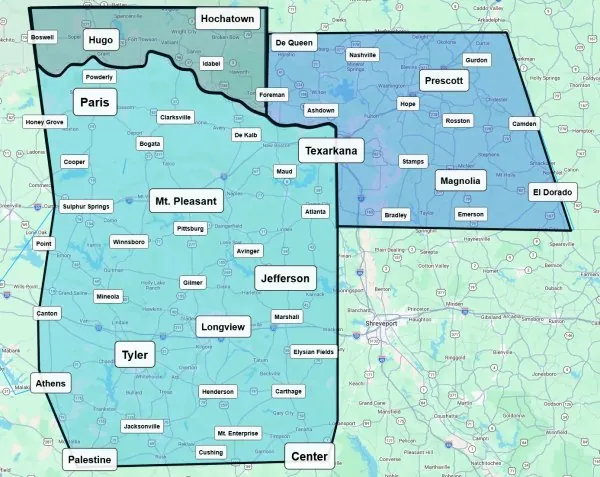
Remediation Protocol in Texas, Arkansas & Oklahoma
The plan your remediation contractor follows, built on the evidence.
A mold remediation protocol is an official document that specifically dictates requirements for a remediation project. It is used to prevent inflation of the scope and price of the remediation work.
- Written by a licensed consultant
- Built on our own inspection
- Independent from remediation
- Mold License MAC 2179
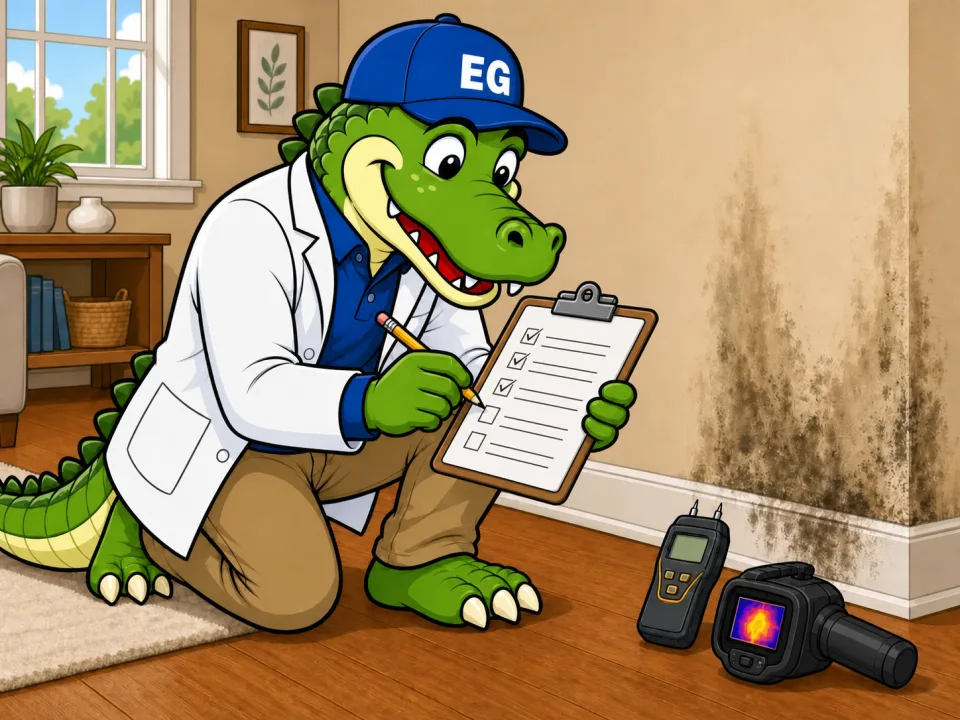
When cleanup needs a written plan.
Not every mold concern requires a written remediation protocol. But when cleanup is larger, more complex, or involves multiple parties, a written protocol is essential.
The project involves a larger affected area, multiple rooms, HVAC components, or concealed spaces.
A remediation contractor requests a written scope before work can begin.
You want the finished work to be independently verifiable with a clearance test.
The property owner wants a clear understanding of what the remediation work should include before it begins.
The writer of the plan shouldn't do the cleanup.
A protocol only protects you if the person who wrote it has nothing to gain from the cleanup. Texas put that separation into law, and we think that's the right way to do it.
We keep the two jobs separate.
In Texas, the assessment and the cleanup are meant to be handled by two different companies. It's a simple safeguard, so the people deciding what work is needed aren't the ones billing you to do it.
We stick to assessing and testing, and we leave the cleanup to someone else. That keeps our advice focused on your home and what it really needs.
A plan based on what we find.
During the inspection, we track down the moisture source and map how far it reaches. The plan grows from what we actually find, so no one has to guess at what should come out.
That gives your insurer, your contractor, and you the same clear scope to work from, and the finished work can be checked at clearance.
Every protocol answers six questions.
We want every protocol to be clear and easy to follow, so your contractor knows exactly what to do. Here's what each one covers.
The work area
The exact rooms and areas where remediation will take place, mapped to what the inspection found.
Quantities
The estimated quantity of material to be cleaned or removed, so the scope is sized to the damage.
How it's done
The specific methods for each type of cleanup in each area, such as removal, HEPA cleaning, and treatment.
PPE
The personal protective equipment remediators must use to work safely inside the contained area.
Containment
How the work area is sealed and held under negative air so spores do not spread to clean spaces.
Clearance criteria
The benchmark the finished work must meet to pass an independent post-remediation clearance test.
It always starts with an inspection.
The protocol depends entirely on the inspection behind it, so we never write one on its own. It comes out of a full EnviroGator mold inspection.
Book a mold inspection
Every protocol begins with a mold inspection. We investigate the moisture source, map the extent of the problem, and sample where it helps.
We confirm remediation is needed
If the findings show professional cleanup is warranted, a written protocol becomes the next step. If it is not warranted, we tell you that instead.
We write the protocol
Working from our own evidence, we write the scope: areas, quantities, methods, containment, PPE, and the clearance standard.
Your contractor follows it, then we verify
Any qualified remediation contractor can work from the protocol. When they finish, we can return for independent clearance testing.
Quick answers.
Not on its own. The protocol is a separate service with its own fee, but it has to be built on a real inspection, so it always follows an EnviroGator mold inspection. Start with the inspection, and the protocol comes next if you need it.
Usually not. Our protocol carries our name and our standard, so it has to rest on evidence we trust. We'll consider it only where we have an established, trusted relationship with the inspecting firm.
In Texas, once mold affects roughly 25 contiguous square feet or more, the project must be handled by licensed professionals, and a licensed assessor must provide the remediation protocol the contractor follows. Smaller areas may not require one.
The inspection report explains what's happening and why. The protocol turns those findings into exact instructions a remediation contractor can carry out, and be measured against at clearance.
Never. We only assess, test, and write protocols. Keeping cleanup out of our business is what keeps the protocol, and the clearance that follows, independent.
A separate licensed remediation contractor of your choosing. The protocol gives them a clear, common standard to work from, and gives you an objective way to confirm the job was done right.
Start with a mold inspection.
A protocol begins with evidence. Call to schedule the inspection, and if remediation is needed, we'll author the plan that protects you.