Choosing the right mold remediation contractor is one of the most important decisions you will make when dealing with a mold problem in your home. The wrong contractor can leave you with incomplete work, recurring mold, wasted money, and ongoing health concerns. The right contractor follows your written protocol, communicates clearly, and gets the job done so your home passes clearance testing. Here is what to look for, what to avoid, and how to protect yourself throughout the process.
Why the Right Contractor Matters
Mold remediation is not a standard home improvement project. It involves handling potentially hazardous biological material, constructing containment barriers, operating specialized air filtration equipment, and following strict procedures to prevent cross-contamination. When done correctly, remediation eliminates the mold problem and restores your home to a safe condition. When done poorly, it can make things worse by spreading mold spores to previously unaffected areas, leaving hidden contamination behind walls, or failing to address the underlying moisture source.
The stakes are high, which is why taking the time to choose a qualified, reputable contractor is so important.
What to Look For in a Remediation Contractor
Proper Licensing
In Texas, mold remediation contractors must hold a valid Mold Remediation license issued by the Texas Department of Licensing and Regulation (TDLR). You can verify a contractor's license status on the TDLR website. Never hire an unlicensed contractor for mold work. An active license means the contractor has met training requirements, passed examinations, and carries the required insurance.
Insurance Coverage
A reputable remediation contractor carries both general liability insurance and pollution liability insurance. General liability covers property damage and injuries during the project. Pollution liability specifically covers claims related to the release or spread of contaminants, which is directly relevant to mold work. Ask for certificates of insurance and verify they are current before work begins.
Willingness to Follow the Written Protocol
A professional remediation contractor should be willing and able to perform the work according to the mold protocol prepared by your independent assessor. Before hiring a contractor, provide them with a copy of the protocol and ask them to submit a bid based on that scope of work. A good contractor will review the protocol carefully and ask informed questions about the project. A contractor who dismisses the protocol or insists on doing things their own way is not the right choice.
References and Track Record
Ask potential contractors for references from recent projects, particularly jobs similar in scope to yours. Contact those references and ask about the quality of work, communication, adherence to the timeline, and whether the project passed clearance testing on the first attempt. A contractor with a strong track record of successful clearance results demonstrates consistent quality.
Clear Communication
Throughout the remediation process, you should be kept informed about the work being done, any unexpected findings, and the project timeline. During the bidding process, pay attention to how responsive and transparent the contractor is. Do they return calls promptly? Do they answer your questions clearly? A contractor who communicates well during the bidding phase will likely communicate well during the project.
Red Flags to Watch For
Certain warning signs should cause you to look elsewhere for a remediation contractor. Be cautious of any company that exhibits these behaviors:
The Company That Assesses AND Remediates
This is the biggest red flag in the mold industry. Texas law requires that mold assessment and mold remediation be performed by separate, independent entities. If a company offers to inspect your home, write the protocol, perform the remediation, AND conduct clearance testing, they are creating a clear conflict of interest. The assessor is supposed to be your independent advocate, not a business partner of the remediation company.
When the same company does everything, there is no independent check on the work. They might exaggerate the scope of the problem to increase the remediation bill, or they might rush through the remediation knowing they control the clearance testing outcome.
No Written Protocol
If a contractor wants to start remediation without a written protocol, walk away. A company that begins tearing out materials without a documented plan is operating without accountability. The protocol defines what should be done, how it should be done, and what standards must be met. Without it, there is no way to verify the work was performed correctly.
Pressure Tactics and Scare Language
Be wary of contractors who use fear and urgency to pressure you into immediate decisions. Phrases like "this is an emergency," "you need to start today," or "your family is in danger every minute you wait" are designed to prevent you from getting second opinions or independent assessments. While mold problems should be addressed in a timely manner, the vast majority of situations allow time for proper assessment, protocol development, and competitive bidding.
Unusually Low Bids
If one bid is dramatically lower than others based on the same protocol, investigate why. The contractor may be cutting corners, using unqualified labor, skipping containment procedures, or underestimating the scope of work with plans to add charges later. Quality remediation requires proper equipment, trained workers, and adequate time. These things cost money.
Why Independent Assessment Protects You
The separation between assessment and remediation is not just a legal technicality. It is the structural safeguard that protects you throughout the entire process:
- Before remediation: The independent assessor evaluates the problem objectively and writes a protocol based solely on what your home needs, not what would generate the most revenue.
- During remediation: The protocol provides a clear standard that the contractor is accountable to. If questions arise during the project, the assessor can provide independent guidance.
- After remediation: The independent assessor conducts clearance testing with no financial incentive to pass a job that is not truly complete. If the work does not meet the standards, the contractor is required to address the deficiencies.
Questions to Ask Before Hiring
When interviewing potential remediation contractors, ask these questions:
- Are you licensed by the Texas Department of Licensing and Regulation for mold remediation?
- Can you provide certificates of general liability and pollution liability insurance?
- Have you reviewed the mold protocol for this project? Do you have any questions about it?
- Can you provide references from recent projects of similar scope?
- What is your estimated timeline for completing this project?
- How will you handle containment and air filtration?
- What is your process for notifying me if unexpected conditions are found during the work?
- Do you include reconstruction in your scope, or is that handled separately?
How EnviroGator Helps Coordinate
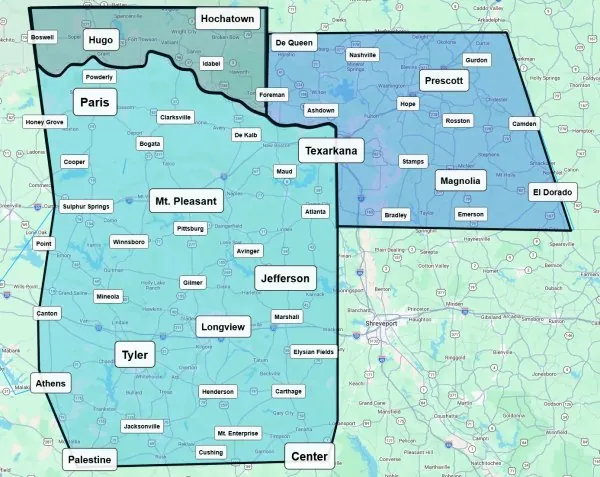
At EnviroGator, we perform independent mold assessments and write remediation protocols for homeowners throughout East Texas. Because we do not perform remediation work ourselves, our recommendations are always based on what your home needs rather than what generates revenue for us.
We can help connect you with trusted local remediation contractors who have demonstrated a track record of quality work, proper licensing, and consistent clearance results. After remediation is complete, we return to perform clearance testing and verify the job was done according to the protocol. This independent oversight gives you confidence that the problem has been properly resolved.
Choosing the right remediation contractor does not have to be overwhelming. Start with an independent assessment, get a written protocol, collect competitive bids, verify credentials, and rely on your independent assessor to verify the results. That process protects your home, your health, and your investment.