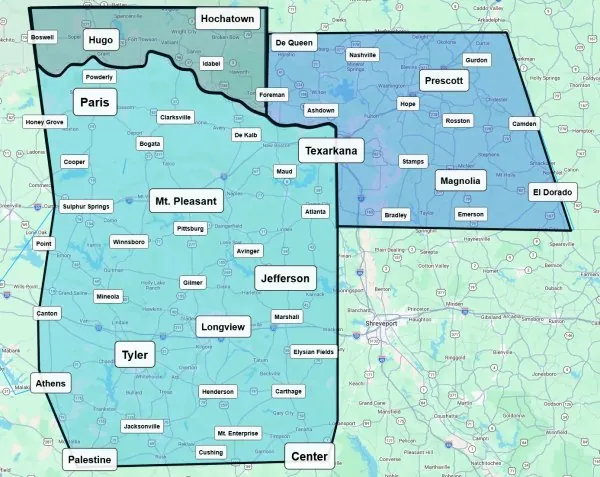
If you own a home in East Texas, Southern Oklahoma, or Southern Arkansas, mold is something you need to understand. The warm, humid climate across the Tri-State Area creates ideal conditions for mold growth, and knowing the basics can help you protect your property and your family's health. Here is what mold is, how it grows, the most common types found in homes, and when it is time to call a professional.
What Exactly Is Mold?
Mold is a type of fungus that occurs naturally in the environment. Unlike plants, mold does not produce its own food through photosynthesis. Instead, it feeds on organic materials by breaking them down. Outdoors, mold plays a critical role in decomposing dead leaves, wood, and other organic matter. Indoors, however, mold becomes a problem when it colonizes building materials and releases spores into the air you breathe.
Mold reproduces by releasing microscopic spores that travel through the air. These spores are present virtually everywhere, both indoors and outdoors. When spores land on a surface with the right conditions, they begin to grow and form visible colonies. A single mold colony can release millions of spores into the air, which is why even a small patch of mold can significantly affect your indoor air quality.
How Does Mold Grow?
Mold needs three things to thrive:
- Moisture: This is the single most important factor. Whether from a leaky pipe, roof damage, condensation, flooding, or simply high indoor humidity, moisture is what triggers mold growth. Without moisture, mold spores remain dormant.
- Organic material: Mold feeds on organic substances like wood, drywall paper, carpet, insulation, fabric, and even dust. Most building materials provide more than enough food for mold to colonize.
- Warmth: Mold grows best in temperatures between 60 and 80 degrees Fahrenheit, which is the typical temperature range inside most homes. Tri-State Area homes rarely drop below this range, even in winter.
When all three conditions are present, mold can begin growing within 24 to 48 hours. That is why water damage from a burst pipe or a roof leak needs to be addressed immediately. The longer moisture sits, the greater the chance mold will take hold.
Common Types of Mold Found in Homes
There are thousands of mold species, but several types are commonly found in residential properties:
- Aspergillus: One of the most common indoor molds. It appears in many colors and is frequently found on walls, insulation, paper products, and clothing. Some species of Aspergillus can cause respiratory infections, especially in people with weakened immune systems.
- Penicillium: Often blue or green in color with a velvety texture. Penicillium spreads quickly and is commonly found on water-damaged materials, wallpaper, carpet, and insulation. It is known for producing strong musty odors and can trigger allergic reactions.
- Cladosporium: A mold that can grow in both warm and cool conditions. It typically appears on fabrics, wood surfaces, and inside HVAC ducts. Cladosporium commonly causes hay fever symptoms and can aggravate asthma.
- Stachybotrys chartarum (black mold): Often referred to as "toxic black mold," Stachybotrys is a greenish-black mold that grows on materials with high cellulose content, such as drywall, wood, and ceiling tiles. It requires sustained moisture to grow and produces mycotoxins that can cause serious health effects. While not all dark-colored molds are Stachybotrys, any black mold should be professionally assessed.
Health Risks Associated with Mold
Mold exposure can affect people differently depending on the type of mold, the level of exposure, and individual sensitivity. Common health effects include:
- Nasal congestion, sneezing, and runny nose
- Eye irritation, redness, and watering
- Coughing, wheezing, and shortness of breath
- Skin rashes and irritation
- Headaches and fatigue
- Worsening of asthma symptoms
People with allergies, asthma, compromised immune systems, and young children are especially vulnerable. Prolonged exposure to certain mold species, particularly those producing mycotoxins, can lead to more serious respiratory conditions and other health problems.
Why the Tri-State Area Is Especially Prone to Mold
The Tri-State Area, which spans East Texas, Southern Oklahoma, and Southern Arkansas, experiences high humidity levels for much of the year. Summer months regularly bring humidity above 70 percent, and even milder months maintain moisture levels that support mold growth. Combined with warm temperatures, frequent rainfall, and older housing stock that may lack modern moisture barriers, homes across the region are at elevated risk.
Common problem areas in local homes include crawl spaces, attics with poor ventilation, bathrooms without exhaust fans, HVAC systems with condensation issues, and any area that has experienced water intrusion. Homes that have been through flooding events are at particularly high risk.
When to Get Professional Help
While small patches of mold on bathroom tile can often be cleaned with household products, professional assessment is recommended when:
- Mold covers an area larger than about 3 feet by 3 feet
- You smell a persistent musty odor but cannot locate the source
- Mold keeps returning after cleaning
- You or family members are experiencing unexplained health symptoms
- Your home has experienced water damage or flooding
- A previous leak was repaired, but there is still a lingering smell
- You are buying or selling a home and want a thorough inspection
A licensed mold assessor can identify the type and extent of mold growth, locate hidden moisture sources, and provide a written plan for safe remediation. In Texas, mold assessors must be licensed by the state, which ensures they meet professional standards and carry proper insurance.
Understanding mold is the first step toward protecting your home and family. If you have concerns about mold in your property, a professional assessment gives you clear answers and a path forward.