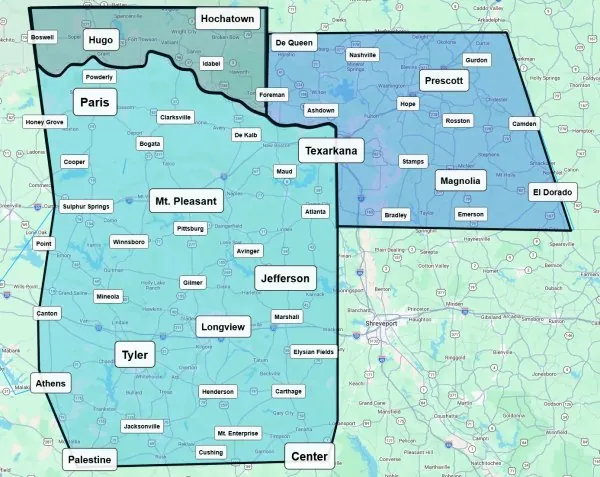
When you suspect mold in your home, the first step is not grabbing bleach or ripping out drywall. The first step is a professional mold inspection, also known as a mold assessment. A mold inspection gives you a clear, documented understanding of what is happening inside your property, where the problems are, and what needs to be done. If you are dealing with a potential mold issue in the Tri-State Area (Oklahoma, Arkansas, Texas), understanding this process will help you make informed decisions and avoid costly mistakes.
Mold Inspection vs. Mold Testing: What Is the Difference?
Many homeowners use the terms "mold inspection" and "mold testing" interchangeably, but they are different services that work together.
- Mold inspection is the comprehensive evaluation of your property. It includes a visual inspection, moisture investigation, evaluation of building conditions, and a written report with findings and recommendations. The inspection is the big picture.
- Mold testing refers specifically to collecting air or surface samples that are sent to a laboratory for analysis. Testing identifies the types and concentrations of mold present. Testing is often performed as part of an inspection, but it is one component of the larger process.
Think of it this way: the inspection is the full investigation, and testing is one of the tools used during that investigation.
What Does a Mold Inspector Look For?
During a professional mold inspection, a licensed mold inspector conducts a thorough evaluation of your property. Here is what the process typically involves:
Visual Inspection
The inspector walks through your entire property examining surfaces, walls, ceilings, floors, and building materials for visible signs of mold growth, water staining, discoloration, and structural damage. They pay close attention to areas where mold commonly hides: behind appliances, under sinks, around windows, in attics, in crawl spaces, and near HVAC systems.
Moisture Mapping
Since moisture is the primary driver of mold growth, the inspector uses specialized instruments to measure moisture levels throughout the property. Tools like pin-type and pinless moisture meters, infrared thermal cameras, and hygrometers help identify hidden moisture sources that are not visible to the naked eye. This moisture mapping is critical because mold often grows behind walls and under flooring where you cannot see it.
Building History Review
The inspector will ask about the property's history: past water damage events, plumbing leaks, roof issues, flooding, HVAC problems, and any renovations. This context helps the inspector understand potential problem areas and evaluate whether current conditions could be related to past events.
HVAC System Evaluation
Heating, ventilation, and air conditioning systems can both contribute to mold problems and spread mold spores throughout a home. The inspector examines ductwork, drain pans, coils, and air handlers for signs of microbial growth and condensation issues.
What Is Included in the Inspection Report?
After the on-site inspection, the inspector prepares a detailed written report. A thorough mold inspection report typically includes:
- A description of the property and areas inspected
- Findings from the visual inspection, including photographs
- Moisture readings and their locations
- Laboratory results from any air or surface samples collected
- Identification of mold types found and their concentrations
- An evaluation of the severity of the problem
- Recommendations for remediation, if needed
- A mold remediation protocol, if mold levels warrant professional removal
This report becomes your roadmap. It tells you exactly what was found, how serious it is, and what steps need to be taken. If remediation is needed, the report includes or accompanies a written protocol that contractors must follow.
Texas Licensing Requirements
In Texas, mold inspection is a regulated profession. The Texas Department of Licensing and Regulation (TDLR) licenses the professionals who perform this work, formally as mold assessors, and requires them to hold a valid license. To obtain this license, professionals must complete approved training, pass a state exam, carry liability insurance, and follow specific standards of practice.
Importantly, Texas law requires that the person or company performing the mold inspection must be independent from the company performing the remediation. This separation exists to prevent conflicts of interest and protect homeowners from being told they need expensive work by the same company that would profit from doing it.
Why a DIY Inspection Falls Short
Homeowners can certainly look for visible mold and note musty odors, but a professional mold inspection goes far beyond what a DIY inspection can accomplish:
- Professional-grade moisture meters detect hidden water damage behind walls and under floors
- Infrared cameras reveal temperature differences that indicate moisture intrusion
- Trained inspectors recognize subtle signs of mold growth that homeowners often miss
- Laboratory analysis provides definitive identification of mold species and concentrations
- A licensed inspection report carries legal weight for insurance claims, real estate transactions, and remediation verification
Home test kits sold at hardware stores can tell you mold is present, but since mold spores are always present in the air, a positive result from a home kit provides very little useful information. What matters is what types of mold are present, at what concentrations, and how they compare to outdoor baseline levels. Only a professional mold inspection can provide this context.
Why a Mold Inspection Matters
A mold inspection protects you in several important ways. It gives you documented evidence of your property's condition. It identifies not just visible mold but hidden moisture problems that could lead to future growth. It provides the foundation for any remediation work, ensuring contractors have clear instructions. And it creates a record that is valuable for insurance claims and real estate transactions.
Most importantly, a professional mold inspection gives you honest answers. You find out exactly what is going on in your home, and you get a clear plan for addressing it. No guesswork, no unnecessary panic, and no wasted money on work that is not needed.
If you suspect mold in your Tri-State Area home, a professional mold inspection is the smart first step. It is the foundation everything else is built on.