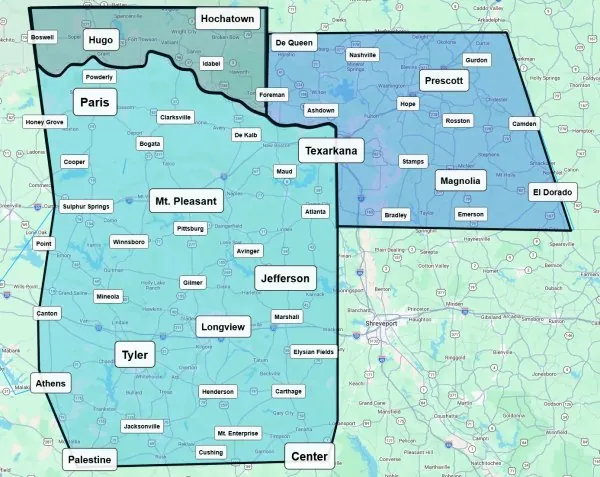
Professional clearance testing, also known as post-remediation testing, is performed after mold remediation to confirm that the remediation was successful. An independent environmental professional evaluates the property through visual inspections, sampling, and laboratory analysis to determine whether mold contamination has been effectively removed and the area is ready for re-occupancy or reconstruction.
Clearance testing provides objective, third-party verification that remediation efforts met industry standards and helps ensure a healthier indoor environment.
Key Components of Professional Clearance Testing
- Visual Inspection: An environmental professional performs a thorough visual inspection of the remediated areas, looking for any remaining visible mold, signs of moisture intrusion, or breaches in the remediation containment. This includes checking that proper containment procedures, such as sealing HVAC vents and work areas, were followed during remediation.
- Sample Collection: Depending on the project, air samples and/or surface (swab) samples are collected from previously affected areas. When air sampling is performed, an outdoor control sample is also collected for comparison to establish normal background spore levels.
- Laboratory Analysis: All samples are submitted to an accredited laboratory for analysis. The laboratory identifies and quantifies mold spores or fungal growth to determine whether remediation was effective.
- EPA-Based Evaluation: Results are reviewed alongside the visual inspection, moisture conditions, and EPA guidance to determine whether the property has successfully passed clearance testing.
- Detailed Reporting: Clients receive a comprehensive report that includes laboratory results, inspection findings, photographs (when applicable), and recommendations for any additional action if needed.
Benefits of Professional Post-Remediation Testing
- Independent Verification: Since EnviroGator performs assessments and testing only and does not perform remediation, clearance testing provides an unbiased evaluation without the conflict of interest that can occur when a remediation company tests its own work.
- Confirms Remediation Success: Clearance testing helps verify that mold remediation was successful and identifies whether any additional cleaning or remediation may still be necessary.
- Protects Occupant Health: Confirming acceptable indoor conditions before re-occupancy can help reduce continued exposure to mold and other indoor air contaminants.
- Documentation for Insurance and Real Estate Transactions: Professional reports provide valuable documentation for homeowners, buyers, property managers, insurance companies, business owners, healthcare providers, and remediation contractors.
Who Should Consider Clearance Testing?
Professional clearance testing is recommended for:
- Homeowners
- Home buyers and sellers
- Property managers
- Business owners
- Insurance companies
- Remediation contractors seeking independent verification
- Healthcare providers recommending environmental evaluation
Why Independent Clearance Testing Matters
For clearance testing to provide meaningful results, it should be performed by an independent environmental testing company rather than the company that completed the remediation. Independent testing eliminates potential conflicts of interest and provides an objective assessment of whether remediation goals have been achieved.
EnviroGator specializes in environmental testing, assessments, remediation protocols, and clearance testing. Because we do not perform mold remediation, our findings remain impartial and focused solely on accurately evaluating the property's condition.
Understanding the Results
A successful clearance test indicates that remediation was effective at the time of testing based on the property's current conditions, laboratory results, and visual inspection. However, clearance testing does not guarantee that mold can never return. Future water intrusion, elevated humidity, or new moisture problems can create conditions that allow mold growth to develop again.
Routine moisture control and prompt attention to water issues remain essential for maintaining a healthy indoor environment.
Professional clearance testing and post-remediation testing provide peace of mind by confirming that remediation efforts were successful and that the property is ready for its next chapter with confidence.
Frequently Asked Questions
How long does clearance testing take?
The on-site portion of clearance testing typically takes 1 to 2 hours, depending on the size of the property and the number of areas being evaluated. Laboratory analysis generally takes 1 to 3 business days, although expedited testing may be available in some cases.
How soon after remediation can clearance testing be performed?
Clearance testing should be performed after the remediation contractor has completed all work and the affected areas have been thoroughly cleaned. In most cases, testing is scheduled once containment is still in place, but the work area has been cleaned and is ready for an independent evaluation. Your remediation contractor and environmental professional can help determine the appropriate timing.
Can a home fail clearance testing?
Yes. A property may not pass clearance testing if inspectors find:
- Visible mold growth remaining
- Elevated mold spore levels compared to normal outdoor conditions
- Evidence of active moisture problems
- Remediation containment breaches or improper cleanup
- Dust or debris containing mold remaining in the work area
If a property does not pass, the report will identify the issues so additional remediation or cleaning can be completed before retesting.
Do I need clearance testing after every mold remediation project?
While clearance testing is not legally required in every situation, it is strongly recommended, especially after significant mold remediation. Independent post-remediation testing provides confidence that the remediation was successful before rebuilding, selling the property, or allowing occupants to return.
Can the remediation company perform the clearance testing?
Although some remediation companies offer their own post-remediation testing, having the same company verify its own work creates a potential conflict of interest. An independent environmental testing company provides an unbiased evaluation based solely on inspection findings and laboratory results.
EnviroGator specializes in assessment, testing, remediation protocols, and clearance testing, but does not perform mold remediation, ensuring an objective and impartial assessment.
What happens if my property passes clearance testing?
If your property passes clearance testing, you'll receive a report documenting the inspection findings and laboratory results, confirming that the remediation was successful at the time of testing. This documentation can provide peace of mind for homeowners and may also be useful for buyers, insurance companies, property managers, or others involved in the property.
Does passing clearance testing mean mold will never come back?
No. A passing clearance test confirms that remediation was successful based on the property's condition at the time of testing. Mold can return if new moisture problems develop, such as roof leaks, plumbing leaks, flooding, or high indoor humidity. Preventing future moisture intrusion is the best way to keep mold from returning.
Why is an outdoor air sample collected?
When air sampling is performed, an outdoor control sample provides a baseline for naturally occurring mold spores in the environment. Comparing indoor air to outdoor air helps determine whether the indoor environment has returned to normal conditions following remediation.