Your home should be a sanctuary, but for the more than 50 million Americans who suffer from allergies, it can be the primary source of exposure to the very triggers that make them sick. The good news is that you do not need to renovate your entire house to make a meaningful difference. With targeted, room-by-room changes and consistent maintenance habits, you can significantly reduce indoor allergen levels and create a healthier living environment for your family.
Start with Professional Testing
Before investing time and money into allergen reduction strategies, it is worth knowing exactly what you are dealing with. A professional allergen assessment identifies the specific allergens present in your home and measures their concentrations room by room. This information allows you to prioritize your efforts where they will have the greatest impact rather than guessing at the problem.
For example, if testing reveals that dust mites are your primary concern but mold levels are low, you can focus your budget on bedding encasements and humidity control rather than expensive mold remediation that may not be necessary.
Bedroom: Where It Matters Most
You spend roughly one-third of your life in the bedroom, making it the single most important room to address. Bedding is the primary habitat for dust mites, and your prolonged, close-contact exposure during sleep makes this the room where allergen reduction yields the most noticeable improvement in symptoms.
- Mattress and pillow encasements: Install allergen-proof, zippered encasements on all mattresses and pillows. These tightly woven covers prevent dust mite allergens from reaching you while you sleep and are the single most effective dust mite intervention available.
- Wash bedding weekly in hot water: Sheets, pillowcases, and blankets should be washed at 130 degrees Fahrenheit or higher every week. This temperature kills dust mites and removes accumulated allergens.
- Remove carpet if possible: Replace bedroom carpet with hard flooring such as wood, tile, or laminate. If carpet removal is not feasible, vacuum at least twice weekly using a vacuum with a HEPA filter.
- Limit stuffed animals and fabric decor: Stuffed toys, decorative pillows, and heavy drapes are dust mite magnets. Minimize these items in the bedroom, or wash them regularly in hot water.
- Keep pets out of the bedroom: Even if your pet sleeps elsewhere at night, dander accumulates on bedding and carpet throughout the day. A strict no-pets policy in the bedroom can dramatically reduce dander exposure during sleep.
Living Areas: Flooring, Furniture, and Air Quality
The rooms where your family spends the most waking hours also deserve attention:
- Choose hard surface flooring: Carpet traps and holds allergens far more effectively than hard floors. If you have carpet in living areas, consider replacing it with hardwood, tile, or luxury vinyl. Area rugs that can be washed are a good compromise.
- Select furniture wisely: Leather, vinyl, and microfiber upholstery are easier to clean and less hospitable to dust mites than traditional fabric upholstery. If you have fabric furniture, vacuum it regularly with a HEPA-filtered vacuum.
- Dust with damp cloths: Dry dusting simply redistributes allergens into the air. Use a damp microfiber cloth to trap and remove dust from surfaces, shelves, and electronics.
- Use a HEPA air purifier: A standalone HEPA air purifier in the main living area can capture airborne allergens including dust mite particles, pet dander, mold spores, and pollen. Choose a unit sized appropriately for the room.
Bathroom: Ventilation and Mold Prevention
Bathrooms are naturally humid environments, making them prime locations for mold growth. Controlling moisture is the key to keeping bathrooms allergen-free:
- Run the exhaust fan: Turn on the bathroom exhaust fan before you shower and leave it running for at least 30 minutes afterward to remove moisture from the air.
- Fix leaks promptly: Even small drips under the sink or around the toilet base create conditions for mold growth. Repair leaks as soon as they are discovered.
- Clean regularly with mold-killing products: Use bathroom cleaners that contain mold-inhibiting ingredients on tile, grout, and caulk. Pay special attention to the areas around the tub, shower, and toilet.
- Replace old caulk and grout: Cracked or deteriorating caulk around the tub and shower allows moisture to penetrate behind walls, creating hidden mold colonies. Re-caulk these areas annually or whenever damage is visible.
- Wash bath mats and shower curtains: These items collect moisture and organic material that feeds mold. Wash them regularly and replace shower curtain liners when they show signs of mildew.
Kitchen: Pest Control and Ventilation
The kitchen presents unique allergen challenges related to food preparation, moisture, and pest attraction:
- Eliminate food sources for pests: Store all food in sealed containers, clean crumbs and spills immediately, and take out garbage daily. Cockroach allergens are a major indoor allergen trigger, and effective pest management starts with removing their food supply.
- Use the range hood: Run your range hood exhaust fan while cooking to remove moisture and airborne particles generated during food preparation.
- Clean under and behind appliances: The areas beneath and behind the refrigerator, stove, and dishwasher accumulate food debris and moisture that attract pests and support mold growth. Clean these areas thoroughly at least twice per year.
- Address plumbing leaks: Under-sink leaks are a common source of hidden kitchen mold. Check plumbing connections periodically and repair any drips immediately.
HVAC Maintenance: Your Home's Respiratory System
Your heating, ventilation, and air conditioning system circulates air throughout your entire home. If it is not properly maintained, it can distribute allergens to every room:
- Upgrade your air filter: Standard fiberglass filters (MERV 1-4) capture very few allergen particles. Upgrade to a MERV 11 or higher pleated filter, which captures dust mite debris, mold spores, pollen, and pet dander. Replace the filter every 60 to 90 days, or more frequently if you have pets.
- Schedule professional duct cleaning: Over time, allergens accumulate inside ductwork and are redistributed every time the system runs. Professional duct cleaning every three to five years removes this buildup.
- Service your system annually: An annual HVAC tune-up ensures the system is operating efficiently, the evaporator coil is clean, and the condensate drain is clear, all of which prevent moisture problems that lead to mold growth inside the unit.
Humidity Control
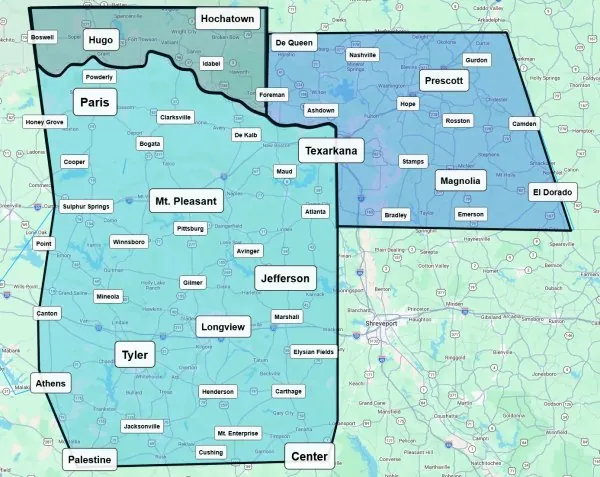
Humidity is the single most important environmental factor for dust mite and mold growth. Dust mites cannot survive when relative humidity drops below 50 percent, and mold growth slows dramatically below that threshold. In East Texas, where outdoor humidity regularly exceeds 70 percent, active humidity management is essential:
- Use a dehumidifier in basements, crawl spaces, and any room where humidity consistently exceeds 50 percent
- Monitor humidity levels with an inexpensive hygrometer placed in the main living area and the most humid room
- Ensure proper drainage around your home's foundation to prevent moisture intrusion
- Avoid drying clothes indoors, which introduces significant moisture into the air
When DIY Is Not Enough
While these strategies can meaningfully reduce allergen levels, there are situations where professional intervention is necessary. If you have active mold growth covering more than a few square feet, persistent moisture problems you cannot identify, or allergen levels that remain high despite your best efforts, it is time to call in a professional. A licensed assessor can identify hidden problems, develop a targeted remediation plan, and verify that the work has been completed successfully.